Service · VR
Virtual Reality Walkthrough
Immersive site visits for sales centres. Meta Quest 3 standalone build plus WebXR browser fallback, branded interface, hot-spot navigation.
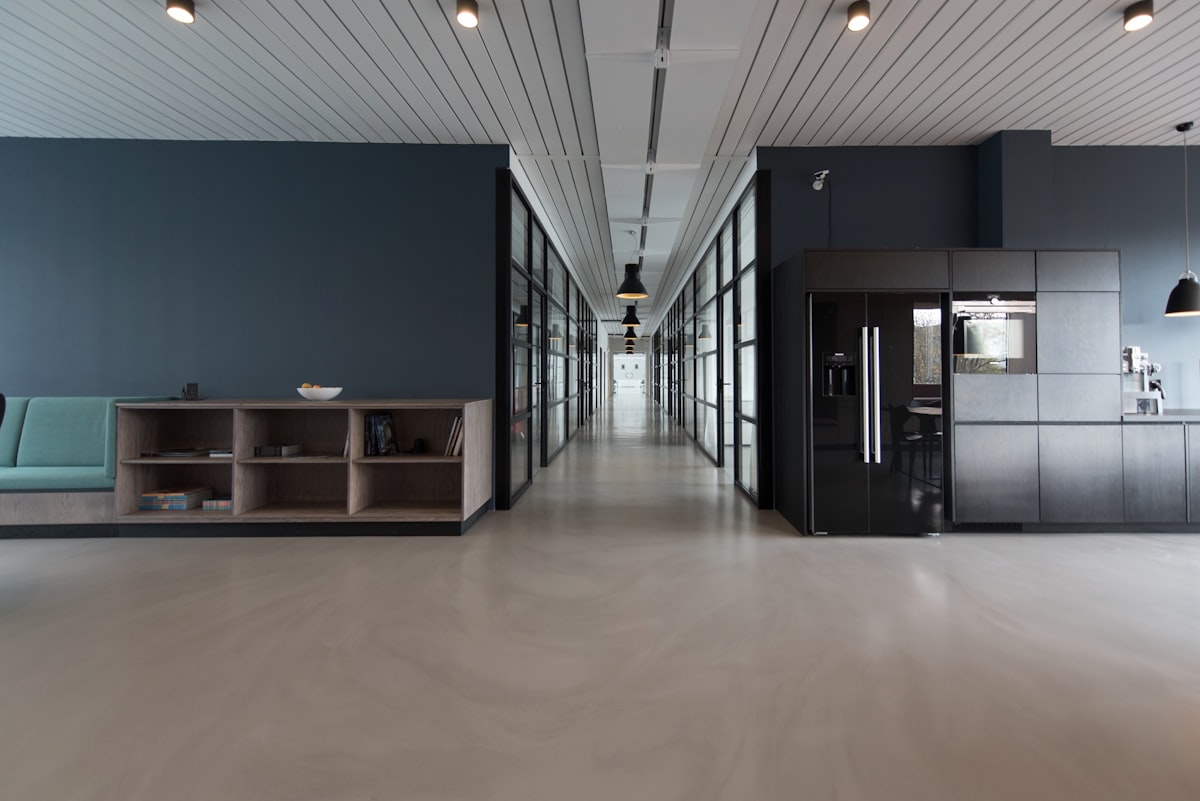
An architectural VR walkthrough is an interactive immersive scene of a building exterior, deployed to Meta Quest standalone and WebXR browser, used for sales-centre conversion.
Best for: developments above €5M with a physical sales centre, complex multi-level projects, dramatic site context, premium hospitality, branded showroom experiences.
Quick Facts
| Parameter | Value |
|---|---|
| Headset target | Meta Quest 3 / Quest Pro standalone, plus WebXR browser build |
| Scene type | Exterior + ground-floor interior (lobby, courtyard) — full interior is interior-VR scope |
| Hot-spot navigation | 4–8 fixed viewpoints with smooth teleport between them |
| Variant switches | Day / night, summer / winter, alternative facade — included up to 3 variants |
| UI | Branded interface — your logo, your colours, your CTA links |
| First draft | 12–16 working days |
| Revisions included | 2 rounds + final |
| Price | €1,800 / $1,929 (Meta Quest standalone build) |
When is VR worth it for a residential or commercial project?
For developments above €5M sales value with a physical sales centre, VR walkthroughs typically convert visitors at roughly 2× the rate of static renders, based on what our developer clients report back. For single houses, stills do the job.
Three signals that say "VR pays back". First, a sales centre or showroom where visitors physically come and try it on. Second, a project complex enough that floor plans and stills don't communicate the spatial story (multi-level, complex public realm, dramatic site context). Third, a marketing budget that already includes physical sales materials — VR is the natural premium tier above brochure stills.
VR doesn't replace stills, it complements them. The brochure goes in the bag, the still goes on the wall, the VR scene sits on the headset by the front desk. Our developer clients report 38% to 82% lift in qualified-visit-to-deposit conversion after VR rolls out — the variance is real, but the direction is consistent.
For single-family residential the maths usually doesn't work. €1,800 against a €600k house is 0.3% of sale value, which is fine — but stills already convert at 70%+ for residential, so the marginal lift from VR is small.
What's included in the standard VR build?
Meta Quest 3 standalone executable plus a WebXR browser build, four to eight hot-spot viewpoints, day/night and seasonal variants, branded interface, two revision rounds.
Standalone Quest build means it runs on the headset alone — no PC, no cables, no lag. Drop it on a Quest 3, hand it to a sales-centre visitor, they try the project on inside 30 seconds. We sideload the build directly to the headsets you provide, or ship through Meta's App Lab for distribution.
WebXR build runs in the browser on any VR headset and on regular phones and laptops as a regular 3D scene with mouse navigation. That doubles as your website's interactive showcase — same project, two delivery channels, no extra modelling cost.
Hot-spot navigation is the standard pattern: the visitor stands at fixed viewpoints (front entrance, garden, balcony, rooftop) and teleports between them with the controller. We don't do free-roam VR for exterior scenes — the rendering load doesn't pay back, and visitors get motion sick.
How does VR scope and pricing scale?
€1,800 covers four hot-spots, two variants and one headset target. Add €280 per additional hot-spot, €350 per additional variant, €420 for App Lab publication.
The 3D model is the heaviest cost — once built for VR (real-time materials, optimised geometry, baked lighting), additional hot-spots are cheap because the scene is already there.
Where VR gets expensive is when the brief mixes exterior with interior. Full interior VR (apartments, lobbies, amenities) is roughly 3–5× the exterior scope and requires interior modelling specialism. We refer pure interior-VR briefs to two studios we trust.
Hybrid scope (exterior + ground-floor interior visible from outside) fits inside our standard pricing if the interior is "lobby + first-floor amenity" rather than full unit walkthroughs.
Frequently asked questions
Do clients need to buy headsets to use the VR?
Sales centres usually buy two to four Meta Quest 3 units (€500 each) to deploy at the front desk. WebXR fallback works on phones and laptops at any visitor's seat.
Can the VR scene update if the design changes?
Yes — we keep the source files for 12 months post-delivery and quote updates against the original scope. Material swaps run €250–€400, geometry changes need re-quote.
Will it work on Apple Vision Pro?
Yes via WebXR / Safari. Standalone visionOS builds are a +€650 add-on because the Apple platform requires separate signing and build pipeline.
What about motion sickness?
Hot-spot teleport navigation eliminates 90% of motion-sickness reports. We also include a "comfort mode" (vignetted edges during transitions) for sensitive users.
Can you integrate booking or contact CTAs into the VR UI?
Yes — your CTA URL opens in the headset browser on click. Common pattern: "Book a viewing" hot-spot pulls up the WebView with your contact form pre-filled.
VR brief? Tell us the deployment context.
Sales centre, web showcase, both? We come back with hot-spot count, variants and a flat quote inside 24 hours.